
Canadian Seeding Intentions
- Monday May 2, 2006
This analysis featured in the May 2, 2006 issue of the HGCA's MI Prospects, Volume 8, Number 21
Key points
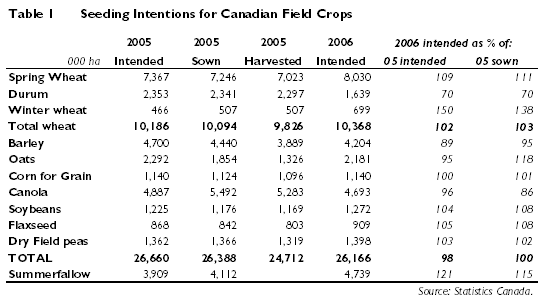
continueCanadian farmers indicated in the Statistics Canada seeding intentions survey in late March that they planned to seed 26.2M ha, about the same area sown last year. Three years after back-to back drought years, Canadian grain and oilseed supplies have been replenished and planting intentions are being driven by relative market prospects.
 continued
Canadian farmers plan to reduce barley area by 5% which is below trade expectation. This does not of itself have any implications for international malt markets. Most Canadian barley is sown to malting varieties even though much is fed to livestock. More important for malting barley prospects are growing and harvesting conditions. An 18% increase in oats area probably reflects several years of good prices for heavy oats mainly exported to the US for milling. Oats tend to be the last crop sown on the Prairies. This year's intentions are 5% below last year's intentions.
The intentions survey indicates a 2% increase in the field peas area, a rather modest increase in view of the field peas' cost of production advantage at a time when fertiliser costs are high. The 15% increase in summerfallow area in a year when moisture conditions are reported as being relatively favourable may reflect concern over the profit potential of any planting options and signals a recovery in supplies of all grains and oilseeds after back to back drought three year ago.
David Walker 001 780 434 7615
top of page